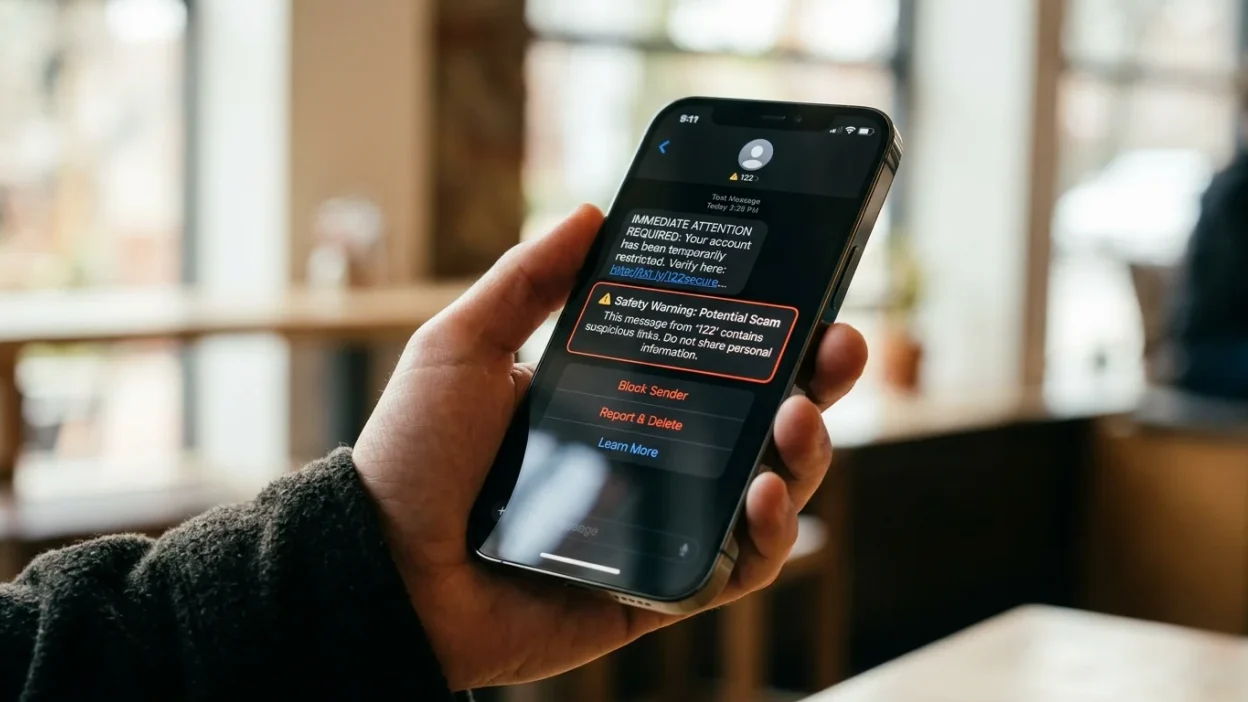
📱 You receive a text message from the number 122. Your first thought might be confusion, or perhaps concern if the message claims to be about a traffic violation or an emergency. The truth is that “122” is a number with multiple meanings depending on where you live, and in some cases, it’s used by scammers to trick unsuspecting people. Understanding what a 122 text message means is essential for protecting yourself and knowing how to respond.
This guide breaks down the different meanings of the 122 text message, explains the common scams associated with it, and provides practical steps for handling these messages safely. By the end, you’ll know exactly how to react whether the message is legitimate or a fraud attempt.
📌 What Does 122 Mean in Different Countries?
The number 122 has different official purposes around the world. Understanding these differences helps you determine whether a message from this number is legitimate or suspicious. What’s normal in one country might be completely different in another, so context matters greatly.
122 as a Traffic Accident Hotline in China
In China, 122 is the official traffic accident reporting number. It connects callers directly to the traffic police for road incidents and emergencies. When you call 122, you reach the traffic accident报警 service, which handles collisions, road hazards, and traffic-related emergencies. This is a public emergency service, similar to how 110 handles general police matters and 120 handles medical emergencies.
The 122 hotline operates 24 hours a day and serves as the primary contact point for anyone involved in or witnessing a traffic accident. Operators dispatch officers to the scene and coordinate with other emergency services when needed. This makes 122 an essential public safety resource.
122 in Pakistan (Jazz Network)
On the Jazz network in Pakistan, 122 is the subscription code for the “Prepaid End Call Notification” service. After subscribing, users receive a notification after every call showing their current balance and call charges. The service costs Rs 1.2 per day including tax.
You can subscribe by dialing *122# or unsubscribe by dialing *4*122#. This is a legitimate service offered by the carrier, not a scam. If you’re a Jazz user and you’ve subscribed to this service, you’ll receive automated messages from 122 after your calls.
122 in Other Regions
In New Zealand, 122 is listed as a shortcode on Spark and Skinny networks. However, no carrier currently publishes a brand name for shortcode 122. It is categorized as “Other” in the directory, which means it may be a reserved code or an internal carrier code.
In some Middle Eastern countries, 122 has been used for government services. For example, in Jordan, the Umniah network used 122 as part of an “Ask for Fatwa” e-government service where users could send inquiries via SMS.
🚨 The 122 Text Message Scam: What You Need to Know
While 122 serves legitimate purposes, scammers have exploited this number to target unsuspecting people. This is particularly common in China, where fraudsters impersonate traffic police to send fake violation notices. Similar scams have appeared in other countries as well.
How the Scam Works
The scam typically unfolds in a specific pattern. You receive a text message appearing to come from “122” or “交警” (traffic police), claiming you have a new traffic violation. The message often says you have “扣3分罚款200元” (3 points deducted, 200 yuan fine) or similar penalties. It includes a link and urges you to click to view the details.
When you click the link, you’re directed to a website that looks like an official traffic violation查询 platform. The site asks for your name, phone number, ID number, and sometimes a password. If you enter this information, scammers can use it for identity theft, financial fraud, or to install malware on your device.
Why This Scam Is Dangerous
The scam is effective because 122 is a number people trust. When they see a message from 122, many assume it’s from the traffic police. The scammers create a sense of urgency by claiming you have a violation that needs immediate attention. This pressure makes people act quickly without verifying the message’s authenticity.
Furthermore, the fake websites are often designed to look exactly like official government portals. They use similar logos, colors, and layouts. This attention to detail makes it even harder for the average person to spot the difference.
Official Warnings
Chinese traffic authorities have issued clear warnings about this scam. The 122 number does not have the ability to send SMS messages. The traffic police use other official channels for violation notifications, and those notifications always include specific details like your license plate number and the location of the violation.
Similarly, authorities in Pakistan have issued warnings about fraudulent text messages related to traffic violations. The Karachi Traffic Police clarified that they do not send SMS messages from personal numbers for challan payments. The Islamabad Traffic Police also warned citizens about fake e-challan alerts circulating with suspicious links.
In Nigeria, the Federal Road Safety Corps issued a warning in September 2026 about fraudulent text messages claiming to be from the agency. These messages notified recipients of “new road traffic offence records” and directed them to fake websites. The FRSC clarified that it does not send violation notices through unsolicited text messages with links.
🛡️ How to Protect Yourself from 122 Scams
If you receive a text message claiming to be from 122 or traffic authorities, follow these steps to protect yourself.
Never Click Links in Unsolicited Messages
The simplest and most effective protection is to never click links in messages you weren’t expecting. If the message claims to be from traffic police, go directly to the official website or app of your local traffic authority instead. Type the address yourself rather than clicking the link provided.
Verify Through Official Channels
If you’re concerned about a potential traffic violation, verify it through official channels. In China, you can check violations through the official “交管12123” app or website. In Pakistan, verify through the official traffic police helpline. Never trust a link from an unsolicited text message.
Check the Message Format
Legitimate traffic violation notifications follow specific formats. They include your license plate number, the exact location of the violation, and the date and time it occurred. If the message is vague and lacks these details, it’s likely a scam.
Don’t Provide Personal Information
Never enter personal information like your ID number, name, or password on a website you reached through a text message link. Legitimate traffic authorities don’t ask for passwords to view violation details. If a website asks for this information, close it immediately.
Report Suspicious Messages
If you receive a suspicious 122 message, report it. In China, you can report to the local traffic police or the anti-fraud center. In Pakistan, the traffic police urge recipients to report fraudulent messages through official channels. Reporting helps authorities track and shut down scam operations.
❌ Common Mistakes to Avoid
When dealing with 122 messages, avoid these common errors that could put your security at risk.
Mistake 1: Panicking and Acting Quickly
Scammers rely on urgency. They want you to click the link before you think. If a message creates panic or pressure, that’s a red flag. Take a breath, verify the information through official channels, and don’t let urgency cloud your judgment.
Mistake 2: Assuming All 122 Messages Are Scams
While the traffic violation messages are scams, 122 itself is a legitimate number in many countries. In Pakistan, for example, Jazz uses 122 for a real service. Don’t dismiss all messages from this number without checking the context.
Mistake 3: Sharing the Message with Others
If you receive a scam message, don’t forward it to friends or family. Sharing it could put them at risk if they click the link. Instead, report it to authorities and delete it.
Mistake 4: Entering Information to “Check” the Violation
Some people think they can safely enter their information just to see if the violation is real. This is dangerous. Once you submit your details, scammers have them. There’s no safe way to “check” a scam website.
💡 Expert Tips for Handling Suspicious Messages
Here are some best practices for managing messages from unknown numbers, including 122.
Use Official Apps
Most traffic authorities now have official apps for checking violations. In China, the “交管12123” app is the standard. Download and use these apps instead of clicking links in text messages.
Enable Spam Filters
Most smartphones have built-in spam filters that can detect and block suspicious messages. Enable these features to reduce the number of scam texts you receive.
Keep Your Number Private
Be cautious about sharing your phone number online. Scammers often obtain numbers from data breaches, social media profiles, and online forms. The less your number circulates, the fewer scam messages you’ll receive.
Stay Informed
Scams evolve constantly. What worked last year might not be the current tactic. Stay informed about common scams in your region by following official news sources and government warnings.
❓ Frequently Asked Questions
Is 122 a legitimate number for traffic police?
In China, 122 is the official traffic accident报警 number. However, the traffic police do not send SMS messages from 122. Any text message claiming to be from 122 about violations is a scam.
Why did I receive a text from 122 about a traffic violation?
If you received a text about a traffic violation from 122, it’s almost certainly a scam. Chinese traffic authorities have confirmed that 122 does not send SMS messages. Scammers spoof the number to make their messages appear official.
What should I do if I clicked the link in a 122 scam message?
If you clicked the link but didn’t enter any information, you’re likely safe. Clear your browser history and avoid the site. If you entered personal information, contact your bank immediately if you provided financial details, and monitor your accounts for suspicious activity. Consider reporting the incident to local authorities.
How can I verify a traffic violation notice in China?
Use the official “交管12123” app or visit the official traffic management website for your province. Never trust a link from a text message.
What is 122 used for on the Jazz network in Pakistan?
On Jazz Pakistan, 122 is the subscription code for the Prepaid End Call Notification service. It sends a notification after every call with your balance and call charges. The service costs Rs 1.2 per day.
Do traffic police in Pakistan send challan messages via SMS?
No. The Karachi Traffic Police clarified that they do not send challan notifications from personal mobile numbers. Any such messages should be considered fraudulent.
Is 122 used for emergency services?
In China, 122 is specifically for traffic accidents. Each number serves a specific purpose.
Can I block messages from 122?
Yes, you can block the number on your phone. Both iPhone and Android devices allow you to block specific numbers. However, if 122 is a legitimate service you use (like the Jazz notification service), blocking it will stop those notifications.
✅ Conclusion
The 122 text message has different meanings depending on your location. In China, 122 is the legitimate traffic accident hotline, but the traffic police do not send SMS messages from this number. Any text claiming to be a traffic violation notice from 122 is a scam designed to steal your personal information or install malware. In Pakistan, 122 is a service code for Jazz call notifications, which is legitimate. In other countries, 122 may be a reserved code or used for government services.
The key takeaway is simple: never click links in unsolicited text messages, verify through official channels, and never provide personal information in response to a text you weren’t expecting. Stay cautious, stay informed, and you’ll avoid falling victim to these deceptive schemes.

Olivia Bennett is a content writer who specializes in word meanings, internet slang and everyday expressions. She enjoys creating clear, informative content that helps readers understand language and discover the meanings behind words.